
5 Tips on What to Do Before Signing a Roofing Contract

You’ve likely spent weeks noticing the wear on your shingles or dealing with that persistent leak after a Maryland storm. You’ve finally called a few contractors, and now you have a pile of paperwork on your kitchen table. Knowing exactly what to do before signing a roofing contract is the only way to ensure your home and your family's peace of mind are protected.
It’s tempting just to pick the lowest number, sign the roofing agreement, and move on. But your roof is the most critical line of defense for your home and family. Partnering with a local, family-run expert like Restoration Roofing Co. ensures you have a professional to guide you through every step of the process, stress-free.
This guide walks you through five essential steps to review any roofing contract with confidence and avoid costly mistakes.
What Should a Roofing Contract Include?
A complete roofing contract protects both parties, but it does more work protecting the homeowner, who has less visibility into day-to-day project decisions. If a contract element isn't in writing, it doesn't exist.
Every roof installation contract should include the following:
Contract Element | Why It Matters |
Full scope of work | Defines exactly what is included: materials, labor, tear-off, and disposal |
Itemized pricing | Allows bid comparison and holds the contractor to specific costs |
Payment schedule | Ties payments to project milestones, not arbitrary dates |
Start and end dates | Creates accountability and documents delay provisions |
Material specifications | Names specific shingle grade, underlayment type, and flashing material |
Roofing warranties | Specifies manufacturer and labor warranty terms, duration, and what voids coverage; both manufacturer and contractor labor warranties must appear explicitly in writing |
Permit responsibility | Specifies who pulls the permits; always the contractor |
Cleanup and property protection | Details how the property will be protected and left post-project |
Dispute resolution | Outlines the process if disagreements arise |
Here’s What to Do Before Signing a Roofing Contract
A full roof replacement is one of the most significant investments a homeowner will make, and the contract you sign is the single document that protects that investment from start to finish. Taking the time to carefully evaluate a few critical elements before putting pen to paper can mean the difference between a seamless project and a costly, stressful experience.
1. Know What the Full Scope of Work Entails

Before signing anything, you need a clear, written description of every task the contractor will perform; not a vague summary, but a line-by-line breakdown. If a contractor hands you a contract that simply reads "remove and replace roof," that is a red flag. A reputable Maryland roofing contractor will document every component of the job so there is zero ambiguity about what you are paying for.
Your contract's scope of work should explicitly include:
Removal and disposal of the existing roofing system
Inspection and repair of any damaged roof decking
Installation of underlayment, ice, and water shield, and starter strips
Flashing replacement around chimneys, skylights, and valleys
Ridge cap installation and proper ventilation
End-of-project cleanup and final property walkthrough
2. Confirm Materials and Roofing System Specifications
The materials listed in your contract should go far beyond just a shingle color. A manufacturer-backed warranty is only valid when the entire system is installed to spec by a credentialed contractor, meaning every component must be documented in writing.
Your contract should specify:
Shingle manufacturer, product line, and grade
Underlayment type (synthetic vs. felt)
Ice and water shield coverage areas
Ridge ventilation product
Starter strip brand and type
At Restoration Roofing Co., we install full CertainTeed roofing systems. As a CertainTeed Select ShingleMaster contractor ranked #3 in Maryland among over 2,500 roofers, we back every installation with a 50-year material warranty and a 25-year manufacturer-backed labor warranty that most Maryland contractors are not credentialed to offer.
3. Understand Contract Terms, Conditions, and Warranties
Warranty language is where homeowners most commonly get caught off guard. Every roof replacement comes with two separate warranties, and understanding the difference between them is critical.
Warranty Type | What It Covers | Who Backs It |
Material Warranty | Shingles and roofing components | Manufacturer (e.g., CertainTeed) |
Contractor Labor Warranty | Installation workmanship | Contractor only |
Manufacturer-Backed Labor Warranty | Installation workmanship | Manufacturer — survives if contractor closes |
A contractor-only labor warranty is only as good as the company behind it. If that company goes out of business, your warranty goes with it. Restoration Roofing Co.'s labor warranty is backed directly by CertainTeed, meaning your protection holds regardless of what happens at the contractor level.
Before signing, confirm:
What specifically voids the warranty
How to file a warranty claim and with whom
Whether the warranty is transferable if you sell your home
4. Review Pricing, Payment Terms, and Hidden Costs
A legitimate roofing contract will have a clear, itemized price with no surprise line items added after work begins.
A trustworthy contract should account for:
Labor and material costs (itemized separately)
Permit fees
Tear-off and disposal
A clearly defined process for any additional decking repairs discovered mid-project
Watch out for these red flags:
Full payment required upfront
No line-item breakdown, just a total
No written policy on how change orders are handled
Verbal promises about cost that aren't reflected in the written contract
A standard, trustworthy payment structure involves a reasonable deposit at signing, with the remaining balance due upon completed project sign-off.
5. Confirm Timeline, Communication, and Project Expectations
Your contract should set clear expectations before a single shingle is touched. A full roof replacement on a typical Maryland home is generally completed in one to two days, but weather, material lead times, and unforeseen structural issues can affect that window.
Before signing, get answers to these questions in writing:
What is the estimated start date?
What is the projected completion window?
Who is the dedicated point of contact throughout the project?
Who will be on-site managing the crew each day?
How is end-of-day cleanup handled?
What does the final walkthrough and sign-off process look like?
A contractor who has clear, confident answers to all of these questions before the contract is signed is one you can trust to deliver that same level of professionalism from the first day of demo to the final nail.
How to Compare Multiple Bids Without Just Choosing the Lowest Price
Choosing the lowest bid is one of the most common and costly roofing mistakes homeowners make. Before comparing bids, understand what drives roof replacement costs.
Get at least three bids and evaluate them using this framework:
Comparison Criteria | What to Look For |
Scope completeness | Does the bid include tear-off, disposal, permits, and cleanup? |
Material specification | Is the shingle grade, underlayment, and flashing material explicitly named? |
Warranty terms | Is the warranty from the manufacturer, the contractor, or both — and for how long? |
Contractor credentials | Are licenses, insurance, and certifications comparable across all three bids? |
References and reputation | BBB accreditation, verified online reviews, and local recommendations |
According to the Federal Housing Finance Agency, U.S. house prices rose 2.2% year-over-year as of Q3 2025, a reminder that your home is a growing asset worth protecting with a contractor and roofing contract built to hold up over time. Mid-range bids from certified contractors frequently represent the best long-term value. When scope gaps, inferior materials, or non-certified labor are factored in, the lowest bid rarely remains the lowest cost over time.
Rely on Restoration Roofing Co. For Clear Contracts
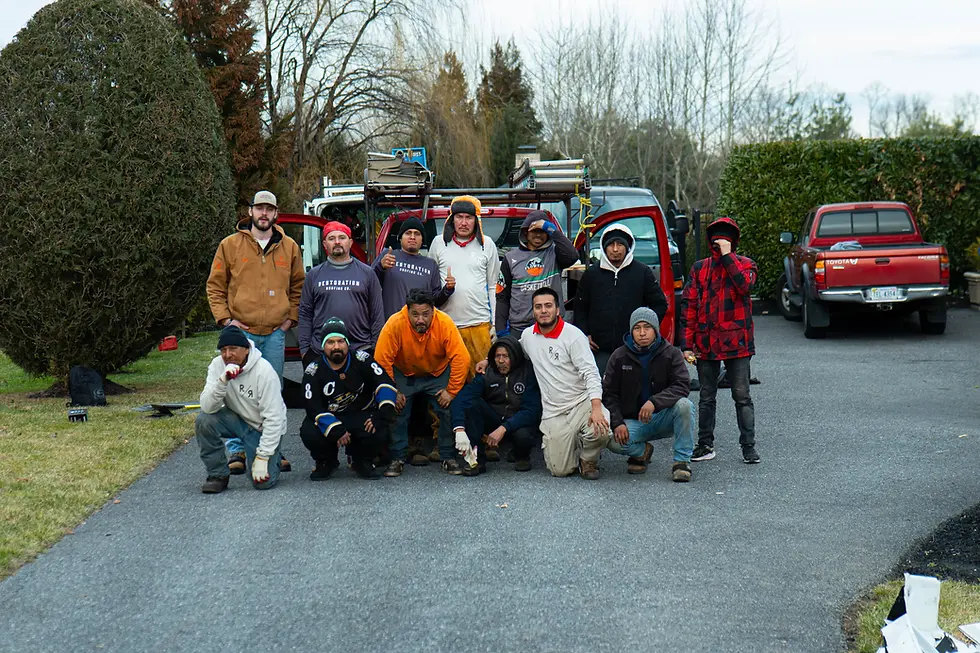
When reviewing a roofing contract or agreement, clarity and accountability make all the difference. Restoration Roofing Co. is built around transparency, so you know exactly what you’re signing before any work begins.
Here’s what sets our process apart:
Detailed Scope Transparency: Every residential roofing contract includes a full, line-by-line breakdown of the work. You’ll see exactly what’s included—from tear-off to final cleanup—so there’s no guesswork or hidden scope gaps.
Manufacturer-Backed Protection: As a CertainTeed Select ShingleMaster, they provide manufacturer-backed warranties that go beyond standard contractor coverage. This means your protection doesn’t rely solely on the contractor—it’s backed at the highest level available.
Clear Communication and Accountability: From your first estimate to the final walkthrough, you’ll always know who your point of contact is. Their process ensures updates are consistent, expectations are set early, and nothing gets lost in translation.
This approach removes uncertainty from the roofing contract terms and conditions, giving homeowners confidence moving forward. When everything is documented, explained, and backed by proven systems, signing your roof installation contract becomes a decision you can feel secure about.
Final Thoughts on What to Look For in a Roofing Contract
Knowing what to look for in a roofing contract comes down to understanding the details before you commit. From reviewing the full scope of work and verifying materials to breaking down pricing and confirming timelines, each step protects your investment and helps ensure your roof performs as it should over the long term. Skipping these steps—or rushing into a roofing agreement—can lead to costly surprises that could have been avoided with a more careful review.
Taking the time to follow these five tips on what to do before signing a roofing contract puts you in control of the entire process. If you’re ready to move forward with confidence, contact Restoration Roofing Co. today to get a free estimate and a clearly defined contract for roof replacement you can trust.
FAQs Before Signing a Roofing Contract
Can I cancel a roofing contract after I’ve signed?
Yes. In Maryland, homeowners have a 3-day right of rescission. This means you can legally cancel a home improvement contract for any reason within three business days of signing, provided you give written notice.
What is a reasonable deposit for a roofing project?
Maryland law is very specific: a contractor cannot legally demand more than one-third of the total contract price as an upfront deposit.
Do I need to pull the roofing permits myself?
No. A major warning sign for a roofing contractor is when the homeowner is asked to pull the permit. A licensed contractor should always handle the permitting process to ensure the work is inspected and complies with local building codes.
What to look for in a roofing contract if you want a guaranteed price?
A professional contract should include a detailed list of all materials and labor costs, as well as a clear process for any necessary changes. Ensuring that every financial detail is documented in writing protects you from unexpected expenses and helps maintain a transparent relationship with your contractor throughout the project.


